
Supply Chain Protection & Business Continuity
End-to-end risk management across physical flows, digital systems, and third-party dependencies.
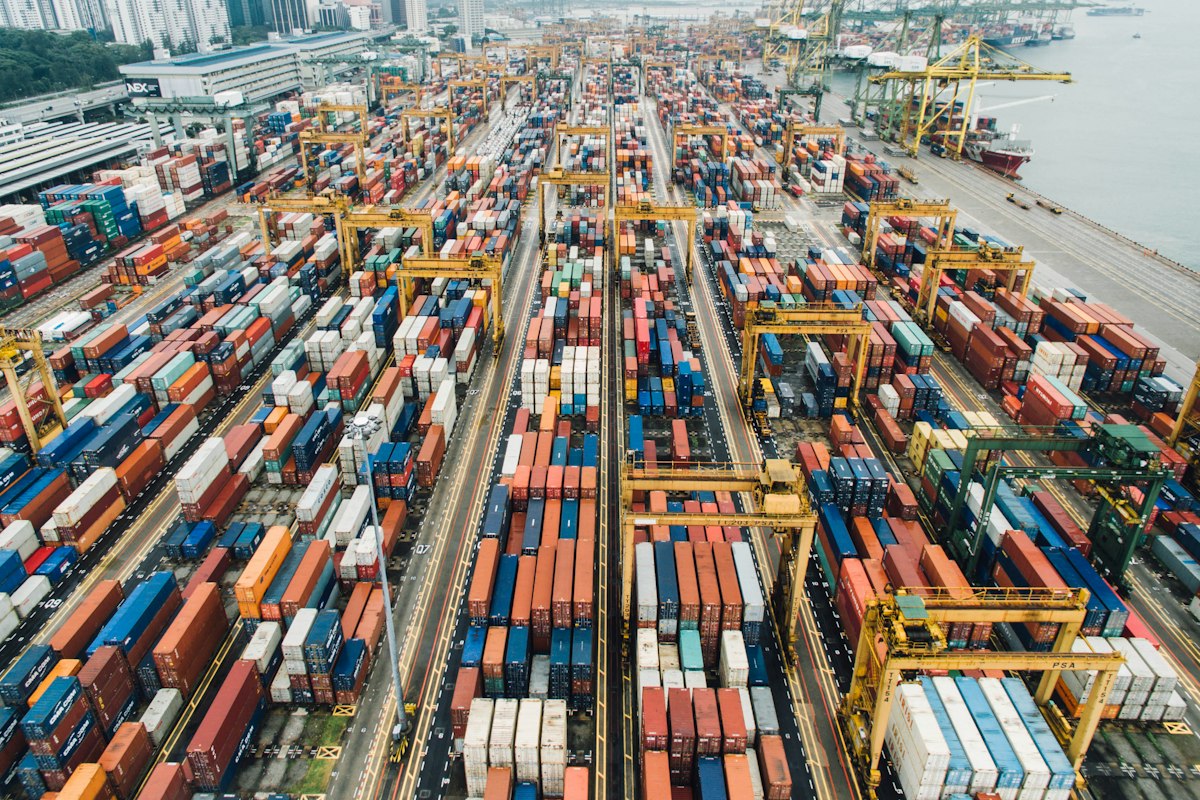
Three Dimensions of Risk
Physical Flows · Digital Systems · Third-Party · Cargo · Logistics
End-to-end risk management across the entire supply chain.
Holistic Framework
Integrating physical security, cybersecurity, operational resilience, and human factors into one model.
Risk-Based
Risk-based screening and inspection methodologies that balance security with operational flow.
Standards-Aligned
Aligned with ISO 27001/27002, ISO 27036, ISO 28000, and the NIST Cybersecurity Framework.
End-to-End
Bridging the gap between strategy and implementation with practical, tailored recommendations.
The Modern Threat Landscape
In today's interconnected world, every organization, public or private, is inherently dependent on a complex and often global supply chain. This network extends far beyond the movement of goods, encompassing the full lifecycle of products and services, from development and manufacturing through transportation, distribution, and maintenance. Increasingly, it also includes digital ecosystems, data flows, and interconnected IT and operational technology (OT) environments.
This complexity introduces significant risk. A single vulnerability within the supply chain, whether physical or cyber, can lead to severe consequences, including operational disruption, compromised product integrity, financial loss, or the exposure of sensitive information. Supply chains have therefore become a prime target for a wide spectrum of adversaries, ranging from insider threats and criminal organizations to highly sophisticated, state-sponsored actors.
Physical flows, digital systems, and third-party dependencies.
A single vulnerability — physical or cyber — can cascade across the entire supply chain. Effective protection requires a unified framework across all three dimensions.
Physical Flows
Movement of goods across development, manufacturing, transportation, and distribution.
Digital Systems
IT and OT infrastructure supporting operations, communications, and data exchange.
Third-Party Dependencies
Suppliers, partners, and interconnected ecosystems that introduce external risk.
The ASERO Methodology
At ASERO, we recognize that effective supply chain security cannot be addressed through isolated measures. It requires a holistic, risk-based approach that integrates physical security, cybersecurity, operational resilience, and human factors into a unified framework. Our methodology is grounded in decades of experience in protecting critical infrastructure and critical information infrastructure across multiple sectors and geographies.
We work closely with our clients to map and analyze their supply chain ecosystems, identifying critical nodes, dependencies, vulnerabilities, and threat vectors. This includes both the physical movement of goods and the digital infrastructure that supports operations, communications, and data exchange. Based on this analysis, we develop tailored strategies that enhance security while maintaining operational efficiency and business continuity.
Core Capabilities
End-to-end supply chain risk assessments, covering physical flows, digital systems, and third-party dependencies
Cybersecurity frameworks for supply chain networks, including supplier risk management and secure data handling practices
Design and implementation of risk-based screening and inspection methodologies, particularly in transportation and cargo environments
Development of integrated security models that balance security requirements with facilitation and operational flow
Business continuity and resilience planning, ensuring organizations can maintain operations under disruption
Third-party and supplier security governance, including policies, procedures, and audit mechanisms
ASERO Distinction
ASERO supports clients in aligning with internationally recognized standards and best practices, including ISO 27001 and 27002 (Information Security Management), ISO 27036 (Supplier Relationships), ISO 28000 (Supply Chain Security Management), the NIST Cybersecurity Framework, and relevant regional guidelines.
Over the years, we have supported governments, regulators, and multinational organizations in strengthening and streamlining their supply chain operations across aviation, manufacturing, logistics, energy, and other critical sectors. Our work has included the development of risk-based cargo screening methodologies, large-scale supply chain security assessments across air, land, and maritime domains, and the design of integrated models to enhance both security and facilitation.
What sets ASERO apart is our ability to bridge the gap between strategy and implementation. We do not offer one-size-fits-all solutions. Instead, we deliver practical, tailored recommendations that reflect each client's operational reality, risk appetite, and strategic objectives.
In an environment where supply chain disruption is no longer a question of "if" but "when," ASERO enables organizations to proactively manage risk, strengthen resilience, and secure their operations — end to end.
Supply chain disruption is no longer a question of if, but when — resilience means being ready for both.